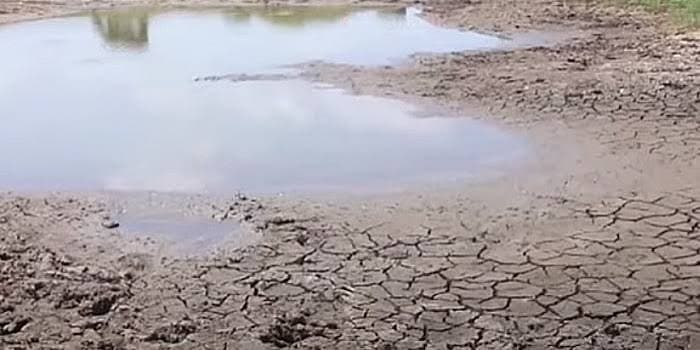
While there are currently no major concerns over water levels in the main reservoirs in Sri Lanka’s wet zone, the capacity of reservoirs in the dry zone is declining rapidly, the Irrigation Department says.
Irrigation Director Engineer L. S. Sooriyabandara said the capacity of some reservoirs in Hambantota, Batticaloa, Monaragala, Mannar and Trincomalee districts has fallen below 30%.
The overall water capacity of the country’s 74 main reservoirs has also dropped to 36%, he said.
Although dry weather is generally experienced in August, the situation has become more severe this year due to the impact of the El Niño weather pattern. High temperatures have also accelerated water evaporation from tanks and reservoirs.
The Irrigation Director warned that water releases for cultivation could be restricted in areas experiencing severe drought, as water has to be allocated for drinking and environmental needs.
Although drinking water supplies have not yet been restricted, steps have been taken to limit the amount of water released for cultivation in some areas, he said.
Meanwhile, the Disaster Management Centre said seven districts have been affected by drought conditions linked to El Niño, with 23 Divisional Secretariat areas affected.
A total of 81,865 people from 25,628 families have been affected, while drinking water is being distributed to 72,153 people from 23,048 families in 20 Divisional Secretariat areas.
The Irrigation Director also warned that high temperatures and dry weather could increase the risk of wildfires spreading rapidly and urged the public to remain vigilant.