Health authorities have urged the public to use condoms correctly and consistently to prevent HIV and other sexually transmitted infections (STIs), while warning against the use of substandard condoms.
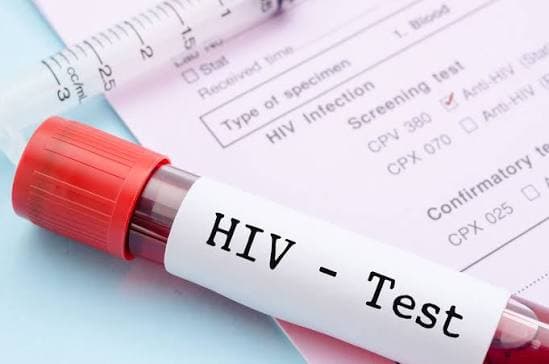
The advisory was issued as part of programmes implemented by the National STD/AIDS Control Programme (NSACP) to expand HIV testing and improve access to prevention services.
As part of these efforts, the NSACP is encouraging the public to use the ‘KNOW4SURE.LK’ online system to access HIV prevention and testing services, including confidential access to HIV self-testing, high-quality condoms and lubricants.
Specialist Dr. Vino Dharmakulasinghe of the National STD/AIDS Control Programme told the Daily Mirror that people who are reluctant to visit clinics can access HIV-related services conveniently and confidentially through the digital platform.
Through the website, users can assess their own risk of HIV or sexually transmitted infections, access HIV self-testing services, identify the nearest testing centres and book appointments for HIV testing.
“People can use this system to understand their HIV risk while protecting their privacy and access testing services. We hope more people will use this service to increase the number of HIV tests and enable infections to be detected at an early stage,” Dr. Dharmakulasinghe said.
The system also allows users to order condoms, lubricants and HIV test kits, providing a secure and confidential way to obtain essential HIV prevention and testing products.
Health authorities stress that condoms should be used correctly and consistently during sexual activity to obtain proper protection against HIV and other sexually transmitted infections. They also emphasise the importance of obtaining condoms only from reliable sources and avoiding substandard products that could compromise their effectiveness.
The public can book testing services through government clinics or selected private medical practitioners. HIV testing is provided completely free of charge at government clinics, while private institutions may charge a small fee.
Dr. Dharmakulasinghe further noted that although many people at higher risk or vulnerable to HIV currently meet partners through social media and dating apps, there is a tendency for them not to engage with traditional HIV prevention, testing or treatment services, making the online system particularly important.